
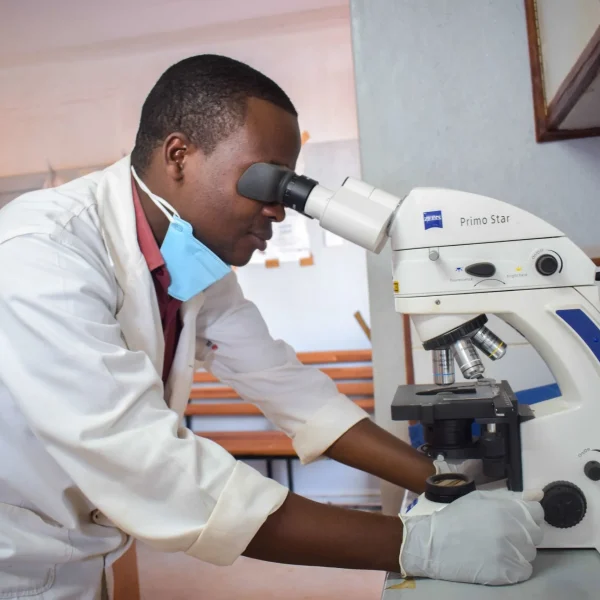
Tuberculosis (TB), caused by the bacterium Mycobacterium tuberculosis, is one of the most persistent infectious diseases in the world. Despite diagnostic and therapeutic advances, it continues to pose a significant threat to global public health, particularly in regions with weakened health systems, marked social inequalities, or high-vulnerability contexts. According to recent estimates from the World Health Organization (WHO), in 2022 more than 10 million new cases of tuberculosis were reported, and around 1.3 million deaths were attributable to the disease, keeping it among the leading causes of mortality from infectious agents worldwide.
Accurate and timely diagnosis of tuberculosis is one of the most fundamental tools for its control, as it allows for the prompt initiation of appropriate treatment, reduction of transmission, and prevention of complications. However, this diagnostic process can be compromised by multiple factors, among them cross-contamination in the laboratory. This phenomenon, although underestimated, has potentially serious consequences for patients and for public health, as it can lead to false positive diagnoses, unnecessary treatments, and distortion of epidemiological data.
This article thoroughly addresses the causes of cross-contamination in tuberculosis laboratories, its clinical, economic, and social effects, and proposes concrete strategies to prevent its occurrence, based on recent scientific literature, case studies, and recommendations from international health organizations.
Cross-contamination in Tuberculosis Diagnosis
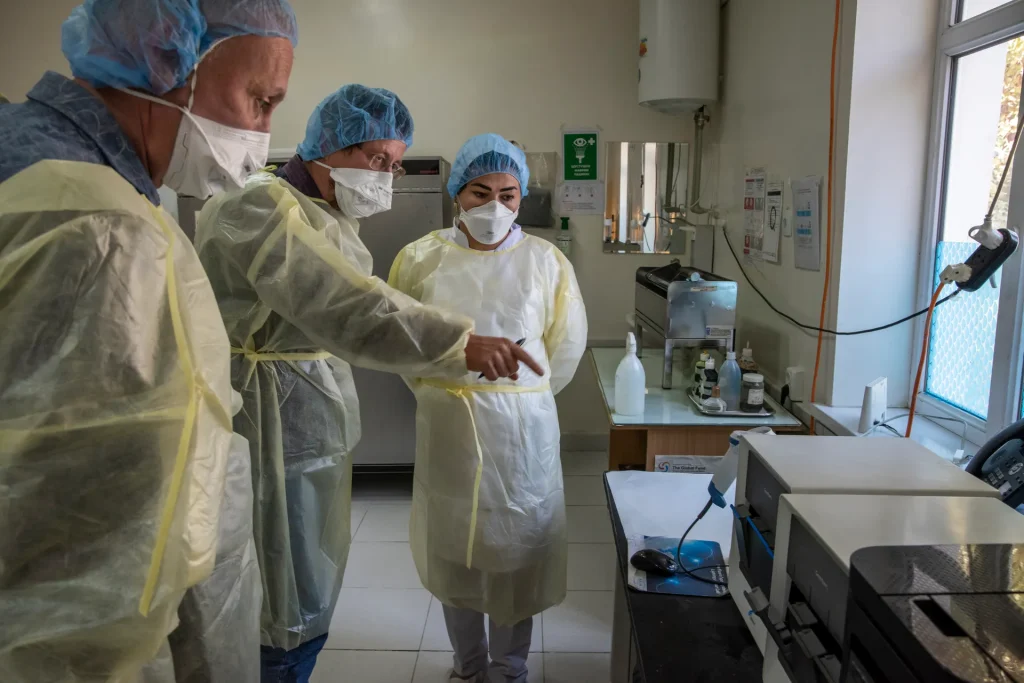
Cross-contamination in the laboratory is defined as the accidental introduction of biological material, such as viable bacilli or M. tuberculosis DNA, from a positive sample into another that was originally negative. This can occur at various stages of the diagnostic process, including sample reception, processing, inoculation onto culture media, use of non-sterile instruments, or during molecular procedures. As a result, a false-positive diagnosis is generated—that is, tuberculosis is detected in a patient who does not actually have the disease.
Although this type of error may seem infrequent, its impact is significant. According to a meta-analysis conducted by Barac et al. (2019), up to 2% of positive tuberculosis cultures may be due to cross-contamination. This percentage increases considerably when considering only cases with a single positive culture and prior or subsequent negative cultures. In such cases, the proportion of false positives due to contamination can exceed 15%. Moreover, it is estimated that around 9% of patients diagnosed with tuberculosis in these contexts received unnecessary treatment, which leads to considerable clinical and economic implications.
Factors Contributing to Cross-contamination
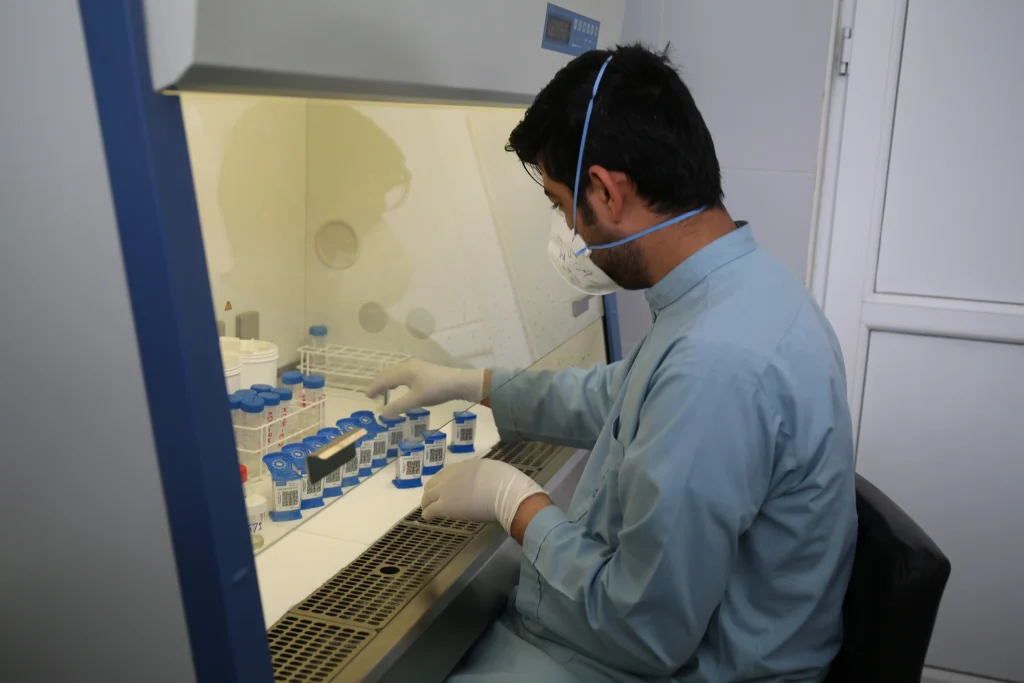
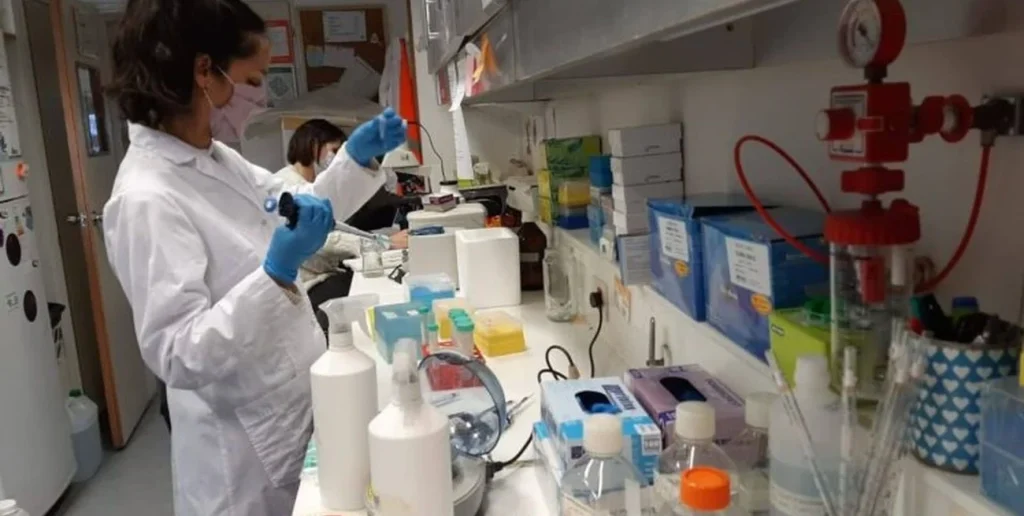
The causes that lead to cross-contamination in laboratories are diverse and, in many cases, related to human error, structural deficiencies, failures in the implementation of biosafety protocols, and limitations inherent to resource-limited settings. One of the most frequent causes is the improper handling of samples by laboratory personnel. Not changing gloves between samples, sharing contaminated pipettes or instruments, opening culture tubes simultaneously in close proximity or without biosafety cabinets, and errors in sample identification or labeling are practices that increase the risk of cross-contamination.
A study conducted by Léveillé et al. (2024) documented a pseudo-outbreak in a Canadian laboratory, where five patients were misdiagnosed with tuberculosis. The investigation revealed that the origin of the problem was the simultaneous handling of positive and negative culture media under inadequate biosafety conditions. These errors occurred even in a country with high health standards, demonstrating that cross-contamination is not exclusive to low-resource settings.
In addition to human errors, the contamination of reagents used in the diagnostic process represents another important route of cross-contamination. In some laboratories, buffers and solutions used in sample decontamination are stored and reused for several days, which facilitates contamination if any positive sample has left residues in these reagents. Once contaminated, the reagent can transfer biological material to all subsequent samples processed with the same batch, generating a chain of false positives that is difficult to detect without strict internal quality control.
Another critical source of contamination is the generation of aerosols. During the opening of liquid culture tubes, such as MGIT systems, or when aliquoting is performed without adequate protection, microscopic aerosols containing viable bacilli may be released. These aerosols can remain in the air for prolonged periods or settle on surfaces, instruments, or other open samples in the same environment. The absence of Class II biosafety cabinets or sealed-top centrifuges significantly increases this risk. In the aforementioned Canadian study, moments such as tube opening and aliquot handling were identified as critical points for the generation of these contaminating aerosols.
Lastly, the use of inadequately sterilized medical equipment, such as bronchoscopes, can lead to contamination of respiratory samples. In some hospitals, the reuse of these instruments without a rigorous sterilization process has been the origin of pseudo-outbreaks in which several patients were misdiagnosed with tuberculosis due to the residual presence of bacilli from a previous patient.
Clinical Consequences of False Positives
A false-positive diagnosis of tuberculosis has multiple clinical consequences, one of the most serious being the initiation of unnecessary treatment. Standard anti-tuberculosis therapy involves several drugs administered over six months or more, including isoniazid, rifampin, pyrazinamide, and ethambutol. These medications are not free of side effects and can cause liver toxicity, gastrointestinal disorders, neuropathies, and severe skin reactions. In documented cases, patients without tuberculosis received treatment for several months, resulting in serious and unnecessary adverse events. In the study by Northrup et al. (2002), one patient underwent eleven months of treatment before it was discovered that the positive culture had been the result of cross-contamination.
In addition to the risks associated with adverse effects, the time spent treating non-existent tuberculosis can delay the diagnosis and treatment of the actual underlying disease. This can be critical in patients with other serious conditions such as cancer, immunological diseases, or severe bacterial infections. In one of the Canadian cases, a patient with a Staphylococcus aureus infection received treatment for tuberculosis, which caused a significant delay in initiating the appropriate antibiotic therapy, compromising their recovery.
These clinical consequences are compounded by psychosocial effects. In many cultures, tuberculosis is still perceived as a stigmatizing disease. A positive diagnosis can have repercussions on the patient’s work, social, and emotional life, leading to isolation, job loss, discrimination, or exclusion. In some countries, a tuberculosis diagnosis may entail legal, immigration, or even criminal restrictions, which further aggravate the impact of an erroneous diagnosis.
Economic Impact on Health Systems
From an economic standpoint, cross-contamination also represents a considerable burden on health systems, especially those publicly funded. False positives generate direct costs, such as unnecessary hospitalization, administration of medications, follow-up testing, radiological studies, and isolation measures. In the study by Northrup et al. (2002), the total cost for three misdiagnosed patients exceeded $32,000, with 97% of the expenses absorbed by the public healthcare system.
Moreover, there are equally important indirect costs, such as the loss of patient productivity, the time spent by medical and laboratory staff managing a non-existent case, and the unnecessary investigation of close contacts. In high tuberculosis burden settings, it has been estimated that annual costs derived from false positives could exceed $10 million, especially when considering the resources allocated to epidemiological surveillance, prevention campaigns, and treatment of resistant strains that, in some cases, may also be falsely attributed to an uninfected patient.
Epidemiological and Public Health Implications
Beyond individual harm, false positives distort epidemiological data. Including non-existent cases in official records can lead to overestimation of the prevalence and incidence of tuberculosis in a region, affecting resource planning, program evaluation, and the implementation of public policies. In some cases, a false positive has triggered a large-scale community investigation, mobilizing health resources and generating public alarm when no real risk of transmission existed.
Even more serious is the case where the contaminated sample comes from a drug-resistant strain. If such resistance is erroneously attributed to a non-infected patient, unnecessary second-line treatments may be applied—treatments that are more toxic, costly, and prolonged, with negative consequences for both the patient and the healthcare system.
Prevention of Cross-contamination: Key Strategies
Preventing cross-contamination requires a comprehensive strategy based on strict protocols, ongoing training, and continuous monitoring. Training laboratory personnel is an essential pillar. It is crucial that technicians and microbiologists have in-depth knowledge of biosafety procedures, proper sample handling, equipment cleaning, and the importance of complying with protocols. Active supervision and internal audits help maintain a safe and controlled work environment.
Physical separation of positive and negative samples is another fundamental principle. Laboratories must organize their workflows to minimize the crossing of contaminated materials, using biosafety cabinets, sealed-top centrifuges, and dedicated areas exclusively for processing high-risk samples. The use of single-use reagents and the inclusion of negative controls in each processing batch are also recommended, as they allow for early detection of potential contamination.
Additionally, genotyping of suspicious cultures using techniques such as MIRU-VNTR or whole genome sequencing (WGS) can be decisive in confirming whether a positive result is genuine or due to contamination. In the aforementioned Canadian study, the use of WGS made it possible to identify that all contaminated samples shared the same genetic profile, which was key to ruling out actual community transmission.
Finally, it is essential that laboratories adopt international standards established by the WHO, CDC, and other specialized organizations. These guidelines include detailed recommendations for safe sample handling, quality control, personnel training, and response procedures when cross-contamination is suspected.
Cross-contamination in tuberculosis laboratories is a technical issue with profound clinical, economic, social, and epidemiological repercussions. Despite its relatively low frequency, its impact can be devastating if not detected in time. Preventing it is not only an ethical imperative to protect the patient, but also an essential measure to ensure the quality of tuberculosis control programs at the global level.
Through a combination of strict protocols, continuous training, molecular technologies, and ongoing audits, it is possible to minimize the risk of this phenomenon. The responsibility falls on all actors involved in the diagnostic chain: from technical staff to public policy makers. Ensuring accurate and safe diagnoses is, ultimately, a cornerstone for achieving the elimination of tuberculosis as a public health problem in the 21st century.
References:
- Barac A, Karimzadeh-Esfahani H, Pourostadi M, Rahimi MT, Ahmadpour E, Rashedi J, Mahdavipoor B, Kafil HS, Spotin A, Abate KH, Mathioudakis AG, Asgharzadeh M. Laboratory Cross-Contamination of Mycobacterium tuberculosis: A Systematic Review and Meta-analysis. Lung. 2019 Oct; 197(5):651-661. PMID: 31203380.
- Léveillé N, Point F, Houde J, Hall M, Souhaline H, Leblanc MA, Akochy PM, Lapierre SG. Mycobacterium tuberculosis pseudo-outbreak due to laboratory cross-contamination: A molecular epidemiology outbreak investigation. Can Commun Dis Rep. 2024 Dec5; 50(12):430-435. PMID: 39664235.
- Northrup JM, Miller AC, Nardell E, Sharnprapai S, Etkind S, Driscoll J, McGarry M, Taber HW, Elvin P, Qualls NL, Braden CR. Estimated costs of false laboratory diagnoses of tuberculosis in three patients. Emerg Infect Dis. 2002 Nov; 8(11):1264-70. PMID: 12453354