
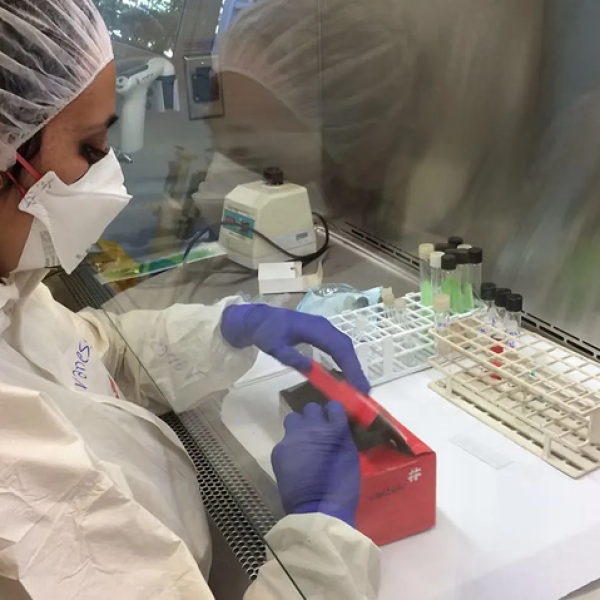
Tuberculosis remains one of the deadliest infectious diseases worldwide. According to the World Health Organization (WHO), in 2022 more than 10 million new cases and approximately 1.3 million deaths related to the disease were reported. This figure highlights the severe impact TB has on global public health, especially in low- and middle-income countries where healthcare infrastructure and available resources are limited.
In the African continent, which faces significant structural challenges in its health systems, tuberculosis represents a persistent threat that affects millions of people and hinders social and economic development. Despite significant advances in diagnosis and treatment, the definitive eradication of tuberculosis requires a comprehensive approach that combines efforts in research, technological innovation, and the strengthening of local capacities in diagnosis and surveillance.
Within this context, microbiology and molecular biology laboratories play a crucial role not only in confirming clinical cases, but also in epidemiological surveillance, monitoring therapeutic efficacy, detecting resistant strains, and validating new diagnostic techniques. Their active participation in scientific research—particularly in studies aimed at developing faster, more sensitive, and more accessible methods—is essential to advance in tuberculosis control.
However, in order for laboratories to effectively fulfill this role, they must have adequate infrastructure, modern equipment, trained personnel, and robust quality systems that ensure the reliability of results. This article explores the importance of strengthening laboratory capacity for tuberculosis research in Africa, drawing on the perspectives of key studies such as those by Ridderhof et al. (2007), Gershy-Damet et al. (2010), and Mfuh et al. (2023), which address the main challenges and opportunities to improve this critical area.
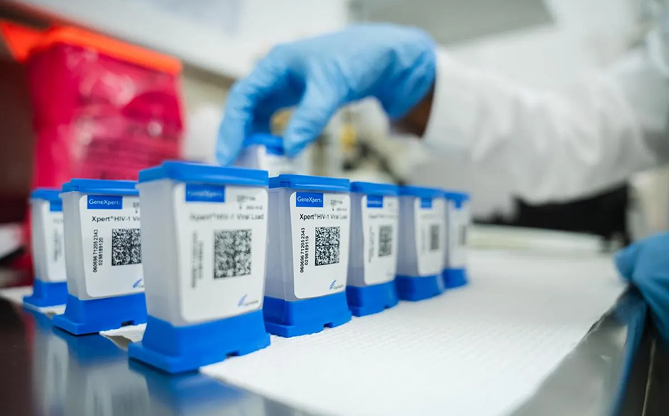
The Strategic Role of Laboratories in Tuberculosis Programs
Laboratories represent the functional core of tuberculosis control programs, constituting a fundamental link in the chain of care and prevention. Beyond their basic diagnostic function, laboratories are responsible for confirming the presence of the disease, monitoring treatment response, and detecting cases of relapse or resistance.
According to Ridderhof et al. (2007), the quality and speed of laboratory services largely determine the success of national strategies to control tuberculosis. In many African countries, acid-fast bacilli (AFB) microscopy—particularly using the Ziehl-Neelsen staining technique—remains the most widely used method due to its low cost and relative technical simplicity.
However, this technique has clear limitations, including low sensitivity when the bacterial load is reduced, as occurs in patients co-infected with HIV. This can result in false-negative diagnoses and delays in care. The increasing emergence of multidrug-resistant tuberculosis (MDR-TB) and extensively drug-resistant tuberculosis (XDR-TB) has made it necessary to incorporate more advanced diagnostic technologies.
Methods such as automated liquid culture systems, rapid drug susceptibility testing, and molecular platforms like nucleic acid amplification tests (NAATs) allow for more accurate and timely detection, improving healthcare response capacity. However, the adoption of these technologies requires investments in specialized infrastructure, continuous technical training, and the implementation of rigorous quality management systems to ensure the validity of results.
Additionally, to maximize their impact, laboratories must be integrated into national and regional networks that facilitate data sharing, standardization of procedures, and real-time scientific collaboration. The implementation of external quality assessment (EQA) programs is essential to ensure diagnostic reliability, especially in settings where oversight may be limited.
These programs help identify systematic errors, strengthen technical competencies, and prevent diagnostic failures that could compromise patient care and the validity of data for research.
Accreditation, Quality, and Reliability of Results
One of the most significant obstacles faced by African laboratories in integrating into international research networks is the lack of accreditation under recognized global standards. Gershy-Damet et al. (2010) point out that in many African countries, accessible quality standards adapted to local resources have not been established, limiting participation in multicenter studies and access to external funding.
To bridge this gap, the WHO, through its Regional Office for Africa (WHO-AFRO), developed a stepwise accreditation process that enables laboratories to progressively move towards compliance with ISO 15189, which sets requirements for quality and competence in clinical laboratories. This system uses a scale from 0 to 5 stars to assess laboratory performance and progress, rewarding improvements and encouraging continuous enhancement. Accreditation validates not only technical competence but also the implementation of comprehensive quality management systems, internal audits, process controls, and safety protocols.
The process also includes evaluator training, equipment calibration, proficiency testing (PT), and laboratory management training, all of which help consolidate an organizational culture oriented toward excellence. Accreditation allows laboratories to join international research networks, access external funding, and collaborate with academic and multilateral institutions.
Countries such as Cameroon, Ethiopia, Kenya, and Nigeria have made progress in this process, with more than 100 African laboratories at different stages of WHO-AFRO accreditation, demonstrating the feasibility and regional acceptance of this model. Moreover, an accredited laboratory generates greater trust among clinical professionals and patients, reducing empirical diagnoses and improving the quality of medical care. It also opens the door to participation in multicenter studies and clinical trials that validate new diagnostic technologies, thereby driving scientific innovation.
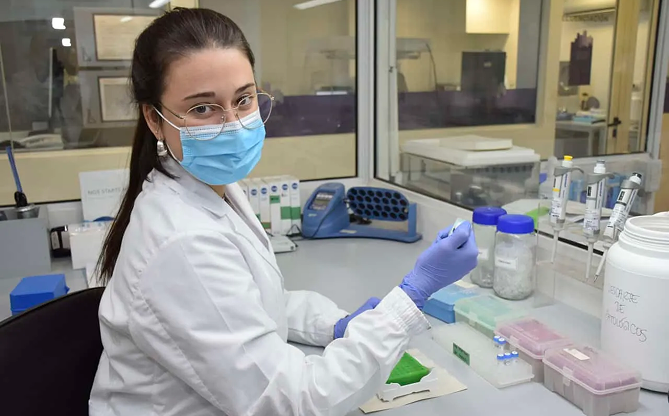
Strengthening Diagnostic Capacity and Preparedness for Health Emergencies
The recent COVID-19 pandemic highlighted the urgent need for resilient, agile, and well-equipped laboratories to respond to health emergencies. Mfuh et al. (2023) argue that strengthening diagnostic capacity in Africa is key not only for tuberculosis control, but also for improving preparedness for any epidemic outbreak.
Rapid tests implemented for HIV, tuberculosis, and COVID-19 proved effective in reducing diagnostic turnaround times, expanding access to treatment, and improving clinical outcomes. The development of portable technologies such as “suitcase labs” and the MinION sequencer, capable of operating in remote areas without traditional infrastructure, opens new possibilities for bringing diagnostics to the most vulnerable populations.
These tools can be adapted for the simultaneous detection of multiple pathogens through multiplex approaches, becoming key instruments for the integrated surveillance of emerging infectious diseases. Innovative initiatives such as Diatropix, in Senegal, demonstrate that it is possible to produce rapid tests locally, reducing dependency on imports and strengthening the continent’s technological sovereignty.
Decentralizing diagnostic capacity and creating national and regional laboratory networks are essential strategies to improve outbreak response and to foster applied scientific research. During the pandemic, African countries sent samples to reference laboratories in Senegal, Nigeria, and South Africa for genetic sequencing, demonstrating the effectiveness of collaborative models.
This framework can be replicated for tuberculosis, especially in the development and validation of new diagnostic tools, which will enhance the detection and monitoring of resistant strains.
Human Resources: Training and Retention
Strengthening laboratories would not be possible without investing in skilled human resources. Ridderhof et al. (2007) emphasize that the shortage of qualified technical personnel is a key limitation in many African countries, where it is necessary to train technicians with limited formal education through structured programs and continuous supervision. The lack of training in management and leadership also affects the ability of laboratories to adopt new technologies and participate in scientific research.
The SLMTA program (Strengthening Laboratory Management Toward Accreditation), described by Gershy-Damet et al. (2010), has proven to be an effective strategy for strengthening managerial and technical capacity through competency-based training, on-site mentoring, and improvement projects. This methodology has improved the quality of many laboratories and prepared them for accreditation processes.
Mfuh et al. (2023) recommend expanding training in emerging areas such as bioinformatics, genomic data analysis, diagnostic test design and validation, as well as maintenance of sophisticated equipment. Creating regional training centers in Africa, instead of relying solely on training in Western countries, is essential to develop sustainable local capacities and reduce brain drain.
Additionally, training must include ethical and regulatory aspects, including procedures for protecting sensitive data and ensuring regulatory compliance, which are vital to safeguard the integrity and confidentiality of research.
Infrastructure, Logistics, and Sustainability
Adequate infrastructure is essential for the optimal functioning of laboratories. This includes having physical spaces with controlled environmental conditions, calibrated and well-maintained equipment, safety systems, and waste management protocols, as well as digital connectivity that facilitates information management and communication. Gershy-Damet et al. (2010) highlight the importance of performance indicators such as turnaround times, volume of tests processed, and proficiency testing results to measure operational efficiency.
Logistics is another key challenge, as the timely availability of reagents, consumables, and spare parts is critical. Dependency on imports creates vulnerabilities such as delays or supply interruptions. Therefore, it is recommended to promote local or regional production of diagnostic supplies, which can also stimulate the economy and reduce costs.
To ensure sustainability, it is necessary to establish regulatory frameworks that guarantee quality and promote innovation, as well as create long-term financing mechanisms. Investments should also be made in preventive maintenance systems, environmental controls, and occupational safety to ensure service continuity and protect personnel.
Infrastructure, Logistics, and Sustainability
Adequate infrastructure is essential for the optimal functioning of laboratories. This includes having physical spaces with controlled environmental conditions, calibrated and well-maintained equipment, safety systems, and waste management protocols, as well as digital connectivity that facilitates information management and communication. Gershy-Damet et al. (2010) highlight the importance of performance indicators such as turnaround times, volume of tests processed, and proficiency testing results to measure operational efficiency.
Logistics is another key challenge, as the timely availability of reagents, consumables, and spare parts is critical. Dependency on imports creates vulnerabilities such as delays or supply interruptions. Therefore, it is recommended to promote local or regional production of diagnostic supplies, which can also stimulate the economy and reduce costs.
To ensure sustainability, it is necessary to establish regulatory frameworks that guarantee quality and promote innovation, as well as create long-term financing mechanisms. Investments should also be made in preventive maintenance systems, environmental controls, and occupational safety to ensure service continuity and protect personnel.
Participation in Research and Evidence Generation
The ability of laboratories to participate in research depends directly on compliance with international standards for quality, traceability, and ethics. Ridderhof et al. (2007) argue that laboratories must operate as integrated systems that manage personnel, processes, and technologies in order to produce reproducible and reliable data, which are essential for clinical and epidemiological research.
Collaboration between national laboratories and regional centers of excellence facilitates the sharing of knowledge and resources, strengthening the continent’s research capacity. Networks such as the Global Laboratory Initiative (GLI) and the African Society for Laboratory Medicine (ASLM) are fundamental platforms for integrating efforts and accessing funding, as well as for publishing findings in international scientific forums.
Operational research tailored to resource-limited settings is especially important for validating new technologies and adapting them to local realities. Laboratories must be able to evaluate not only diagnostic accuracy, but also the acceptability, cost-effectiveness, and sustainability of tools under field conditions, thus providing useful evidence for data-driven decision-making.
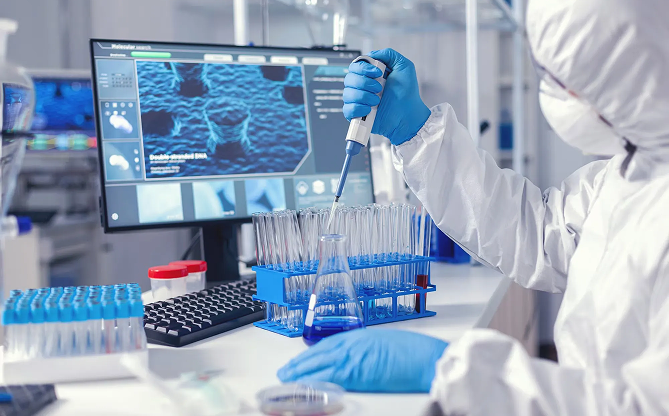
In conclusion, strengthening laboratory capacity in Africa is an essential requirement for advancing tuberculosis research and improving regional public health. This requires a multidimensional approach that includes the implementation of robust quality systems, stepwise accreditation processes, technical and managerial training, investment in modern infrastructure, and the development of local production of diagnostic supplies.
Collaboration between governments, academic institutions, and international partners is key to achieving these goals in a sustainable manner. As evidenced by Ridderhof et al. (2007), Gershy-Damet et al. (2010), and Mfuh et al. (2023), laboratories must be strengthened as integrated systems capable of responding to current and future challenges in tuberculosis control.
Only through a strategic, multisectoral, and sustained vision will it be possible to transform African laboratories into engines of innovation, surveillance, and efficient response to infectious diseases—thus contributing to significant improvements in public health and the scientific autonomy of the continent.
References
- Ridderhof JC, van Deun A, Kam KM, Narayanan PR, Aziz MA. Roles of laboratories and laboratory systems in effective tuberculosis programmes. Bull World Health Organ. 2007 May;85(5):354-9. doi: 10.2471/blt.06.039081. PMID: 17639219.
- Gershy-Damet GM, Rotz P, Cross D, Belabbes el H, Cham F, Ndihokubwayo JB, Fine G, Zeh C, Njukeng PA, Mboup S, Sesse DE, Messele T, Birx DL, Nkengasong JN. The World Health Organization African region laboratory accreditation process: improving the quality of laboratory systems in the African region. Am J Clin Pathol. 2010 Sep;134(3):393-400. PMID: 20716795.
- Mfuh KO, Abanda NN, Titanji BK. Strengthening diagnostic capacity in Africa as a key pillar of public health and pandemic preparedness. PLOS Glob Public Health. 2023 Jun 13;3(6):e0001998. PMID: 37310963.